Culinary Insights & Tips

Expert advice for your perfect event

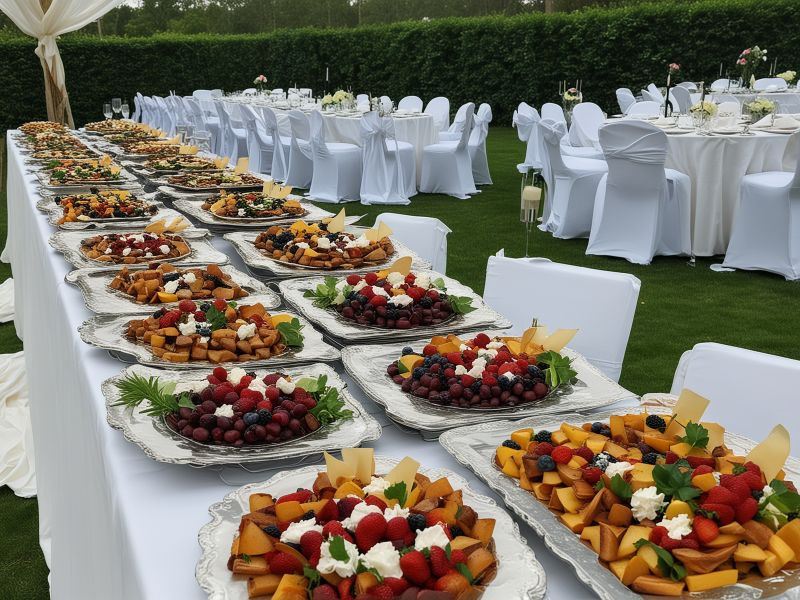
Wedding menu planning guide

Mastering Wedding Menu Planning

Planning the perfect wedding menu can be overwhelming. From seasonal ingredients to dietary restrictions, there are many factors to consider. Learn how to create a menu that delights your guests while staying within budget.

Read Article
Corporate event catering tips

Corporate Event Catering Success

Corporate events require a different approach to catering. From networking mixers to formal dinners, discover the secrets to impressing clients and colleagues with professional-grade catering services.

Read Article
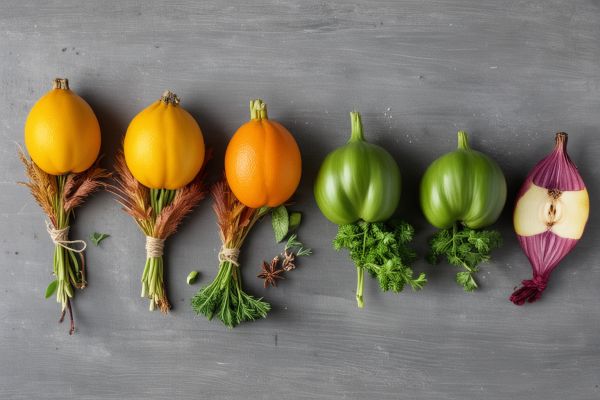
Seasonal ingredient guide

Seasonal Ingredients Guide

Seasonal ingredients not only taste better but are also more cost-effective. Learn which ingredients are in season throughout the year and how to incorporate them into your event menu for maximum flavor and freshness.

Read Article

Mastering Wedding Menu Planning

Wedding catering setup

Understanding Your Vision

Every wedding is unique, and your menu should reflect the couple's personality and wedding theme. Start by discussing the overall vision with the couple. Are they planning a formal sit-down dinner, a cocktail reception, or a family-style feast? The style of service will greatly influence your menu choices.

Seasonal Considerations

Choosing seasonal ingredients not only ensures peak freshness and flavor but also helps manage costs. Spring weddings can feature asparagus, strawberries, and fresh herbs. Summer brings an abundance of tomatoes, corn, and stone fruits. Fall is perfect for squash, apples, and root vegetables, while winter menus can highlight citrus, hearty greens, and warming spices.

Dietary Accommodations

Modern weddings must consider various dietary needs. Always include vegetarian and gluten-free options. For larger events, consider asking guests about specific dietary restrictions during the RSVP process. This allows you to plan accordingly and ensure all guests feel included and well-fed.

Budget-Friendly Tips

Creating a memorable menu doesn't have to break the bank. Consider these strategies:

  • Choose locally sourced ingredients to reduce transportation costs
  • Opt for seasonal produce which is typically more affordable
  • Consider family-style service for a more intimate and cost-effective approach
  • Limit the number of courses while focusing on quality over quantity
  • Negotiate with vendors for bulk pricing on popular items

Quick Tips

  • Taste testing is essential
  • Plan for 10-15% extra food
  • Consider cocktail hour appetizers
  • Dessert options beyond cake
  • Beverage pairing suggestions

Corporate Event Catering Success

Corporate catering event

First Impressions Matter

In the corporate world, catering can make or break a client relationship. The food you serve reflects your company's attention to detail and commitment to excellence. Whether it's a product launch, client dinner, or team building event, the catering sets the tone for the entire occasion.

Understanding Your Audience

Corporate events bring together diverse groups of people with varying tastes and dietary needs. Always provide a mix of familiar favorites and sophisticated options. Include clearly labeled vegetarian, vegan, and gluten-free choices. Consider cultural dietary restrictions for international clients.

Service Styles for Business Events

Different corporate events call for different service styles:

  • Buffet Style: Great for networking events and conferences
  • Plated Service: Perfect for formal dinners and award ceremonies
  • Stations: Interactive and engaging for product launches
  • Cocktail Style: Ideal for receptions and mixers

Professional Presentation

Corporate catering requires impeccable presentation. Food should be served at the correct temperature, plated attractively, and delivered efficiently. Staff should be professional, attentive, and knowledgeable about the menu. Consider branded serving ware for a polished look.

Event Types

  • Product Launches
  • Client Dinners
  • Team Building
  • Conferences
  • Award Ceremonies
  • Networking Events

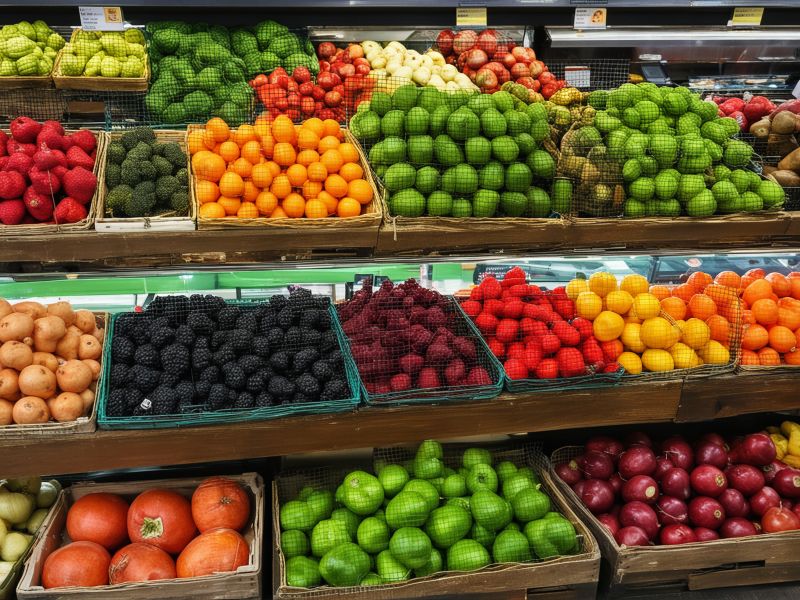
Seasonal Ingredients Guide

Seasonal produce display

Spring (March - May)

Spring brings a burst of fresh, delicate flavors. This is the perfect time for light, refreshing dishes that celebrate the return of warmer weather.

Produce in Season: Asparagus, artichokes, peas, radishes, strawberries, rhubarb, spinach, arugula, spring onions

Menu Ideas: Asparagus risotto, strawberry spinach salads, pea soup, rhubarb tarts

Summer (June - August)

Summer offers the most abundant variety of produce. The flavors are bold and vibrant, perfect for outdoor events and colorful presentations.

Produce in Season: Tomatoes, corn, zucchini, bell peppers, peaches, berries, cucumbers, eggplant, fresh herbs

Menu Ideas: Caprese salads, grilled vegetable skewers, peach tarts, fresh herb pestos, berry parfaits

Fall (September - November)

Fall ingredients are rich, earthy, and comforting. This is the perfect time for warm, satisfying dishes that create a cozy atmosphere.

Produce in Season: Apples, pears, pumpkins, squash, sweet potatoes, Brussels sprouts, kale, beets, cranberries

Menu Ideas: Butternut squash soup, apple tarts, roasted root vegetables, cranberry sauces, kale salads

Winter (December - February)

Winter ingredients focus on preservation and heartiness. These flavors are perfect for warming winter events and holiday gatherings.

Produce in Season: Citrus fruits, winter greens, potatoes, onions, garlic, carrots, cabbage, pomegranates

Menu Ideas: Citrus salads, root vegetable gratins, hearty stews, cabbage slaws, pomegranate garnishes


Benefits of Seasonal

  • Peak flavor and nutrition
  • Lower cost
  • Environmental sustainability
  • Supports local farmers
  • Fresher taste
  • Better texture